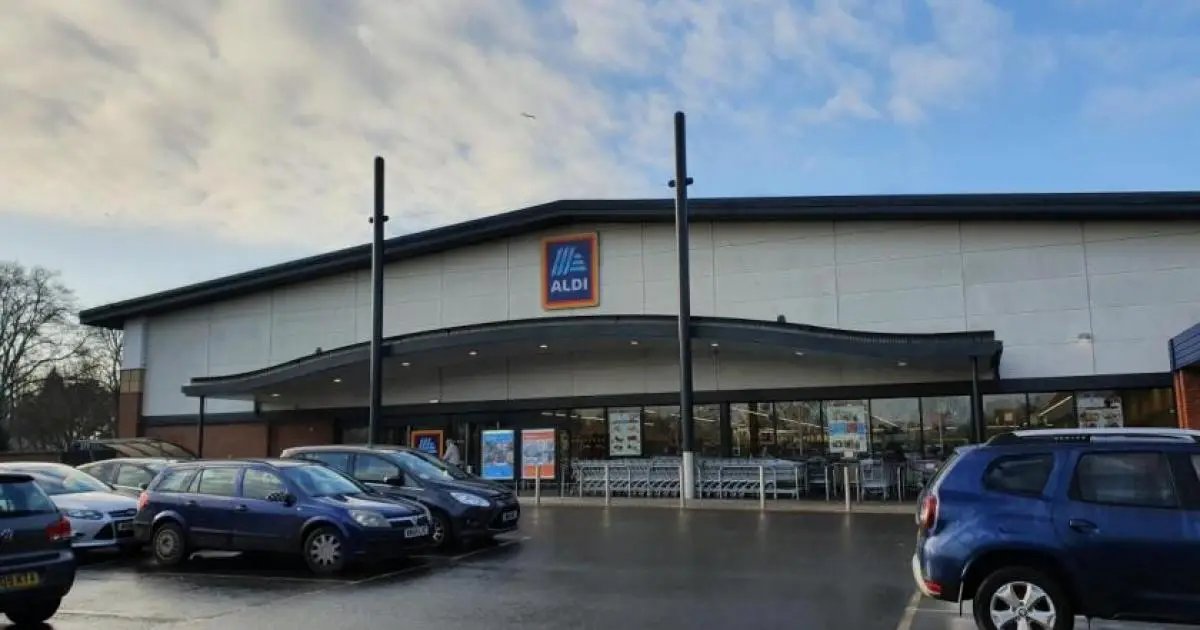

SHOPPERS in Worcestershire could see more Aldi stores opening as the supermarket giant presses ahead with plans for major expansion despite a slight dip in annual profits.
Aldi has announced plans to open 40 new stores across the UK next year, creating more jobs and expanding its UK footprint.
The move is part of a wider £900 million investment plan that will also upgrade its warehouse and distribution network.
The news follows the chain’s 2025 announcement that it plans to open a new branch somewhere in Worcestershire.
READ MORE: Aldi to launch new service in 8 stores ahead of UK rollout

The German-owned supermarket chain, now the fourth largest in the UK, already operates 1,092 stores across the UK and Ireland.
There are currently three Aldi’s in Worcester and one in Pershore, Malvern, Evesham and Droitwich, as well as multiple across North Worcestershire.
Giles Hurley, chief executive of Aldi UK and Ireland, said: “The cost of food remains one of the biggest pressures on households across the country.
“Recent droughts at home and events overseas have highlighted just how fragile our food system is and why food security must be a long-term national priority.
“We’re working hard to make good food more affordable for every family – cutting prices on everyday essentials, signing long-term supplier agreements to help increase home-grown production, and continuing to bring affordable groceries to even more communities through our store opening programme.”
READ MORE: Aldi ‘deeply saddened’ after customer dies at Bath Road store
The company said it will open 30 of the new stores within the next 10 weeks, including locations in Dumbarton, Newport, and Willesden in London.
Aldi has previously said it aims to reach 1,500 UK stores, focusing on areas with limited access to affordable groceries.
The retailer also plans to keep lowering prices ahead of Christmas, following a £340 million price-cut campaign earlier this year.
Despite the expansion, Aldi reported a slight decrease in annual operating profits, which fell by 1 per cent to £432.9 million.
The company attributed the dip to increased investment in pricing and a rising wage bill, even as turnover rose to a record £19 billion.