

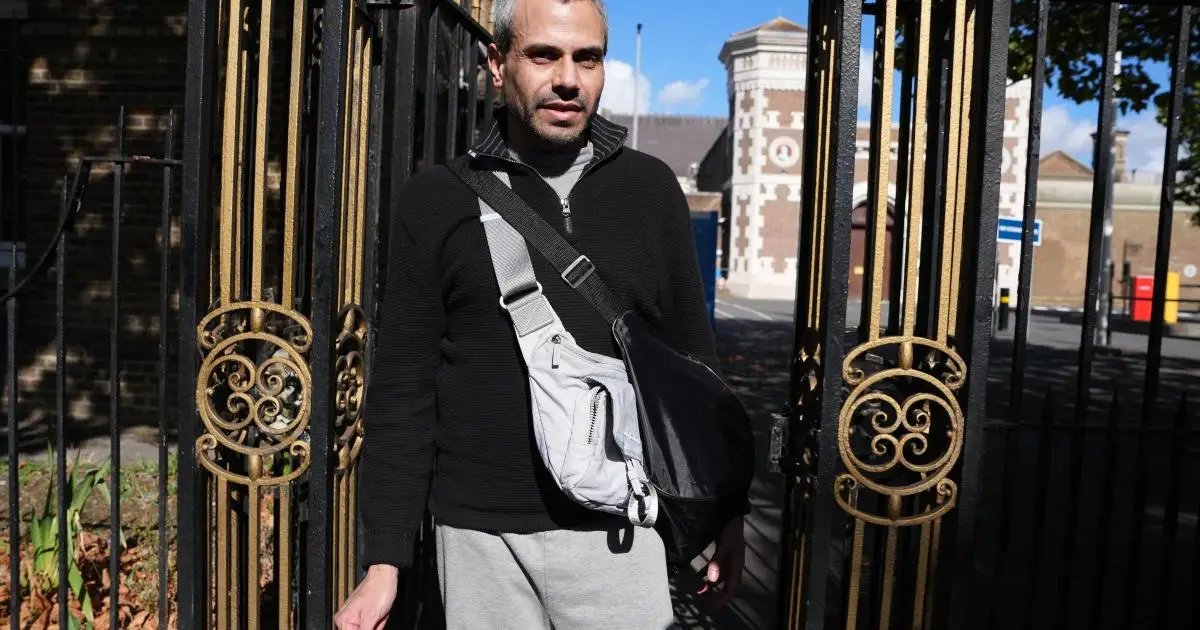

A WORCESTERSHIRE MP says more prisons need to be built as concerns are raised about the early release of prisoners, and some victims of domestic violence speak of their fear.
The prison early release scheme began on Thursday as part of a Government initiative to address prison overcrowding, provoking concerns across Worcestershire.
Concerns have been raised in Worcestershire about the impact on vulnerable people, including the victims of domestic violence, if some inmates are released early.
Worcestershire has two main prisons – HMP Hewell, a men’s category B closed and category D open prison in Tardebigge, near Redditch and HMP Long Lartin, a high-security category A men’s prison located in South Littleton, near Evesham.
PRISON: HMP Hewell near Redditch is one of two prisons in Worcestershire (Image: Supplied)

Some campaigners, including Helen Duncanson from North Yorkshire, have spoken publicly of the potential impact of the scheme, telling the BBC she is suffering from “night terrors and panic” after being told her abuser could be eligible for early release.
Dame Harriett Baldwin, MP for West Worcestershire, said: “I met with the West Mercia Police and Crime Commissioner and Chief Constable today (Thursday) and I raised local people’s concerns about the impact of the early release of prisoners locally.”
She said she had been told that the number of prisoners released early in the area is currently low, but stressed that each case still involves a victim who may be affected.
Dame Harriett said: “I voted against this policy that further undermines people’s confidence in the law and order system.
“A Conservative Government would build more prisons and I urge the Ministry of Justice to sort out the tagging issue swiftly.”
RESPONSE: Dame Harriett Baldwin, MP for West Worcestershire says the Conservative government is committed to building more prisons (Image: Submitted)
We also approached Worcester’s Labour MP, Tom Collins, about the early release scheme but he had not responded by the time the Worcester News went to press.
We also approached DAWN, which provides domestic abuse support in Worcestershire but they were unavailable for comment this week.
The organisation says it has supported 337 domestic violence survivors and helped 247 families find safe accommodation in the last year.
The early release scheme forms part of the Government’s response to severe prison overcrowding. On Thursday, around 700 prisoners were released early across England and Wales.
This is in addition to the roughly 1,000 inmates ordinarily freed each week.
The releases follow changes under the Sentencing Act 2026, which came into effect on October 1.
PROTECTION: Cllr Sarah Murray says ‘public safety’ and the protection of victims must come first as the prison early release scheme causes controversy (Image: Worcester Liberal Democrats)
Under the new rules, those serving fixed-term sentences will be released after serving one-third of their sentence, rather than half.
The Government has described the move as necessary to prevent the justice system from collapsing due to lack of prison capacity.
Councillor Karen Lewing of the Green Party said: “The prison overcrowding crisis is the predictable result of years of systemic failure, but temporary sticking plasters must never come at the expense of victim safety.”
She said the early release of domestic abusers and those convicted of coercive control offences is causing fear among survivors and charities.
Cllr Lewing said: “Victims go through immense trauma to secure justice and a rushed early release scheme that includes perpetrators of domestic abuse and coercive control leaves vulnerable women and girls terrified.”
New Channel 5 drama revisits notorious Worcestershire ‘road rage’ murder case
Police speak out following claims that migrants were being housed at Holiday Inn
Armed drug dealers who sold cocaine in Worcester begin stretch behind bars
She called for long-term investment in “robust crime prevention, properly funded probation services, mandatory perpetrator rehabilitation, and community-based penalties for non-violent offences.”
As of Monday, the prison population in England and Wales stood at 87,499, according to Ministry of Justice data.
A total of 4,500 prisoners are expected to be released early in 10 waves over the next year.
This figure was reduced from 6,000 after ministers excluded more offenders following public criticism.
Cllr Sarah Murray, the Liberal Democrat crime spokesperson for Worcester, said: “Public safety and the protection of victims must come first. I am particularly concerned about what early release could mean for survivors of domestic abuse, for whom an offender’s release can bring renewed fear and anxiety. They must receive timely information, practical support and effective protection, with robust enforcement of any conditions designed to keep them safe.
“Liberal Democrats have long called for properly funded probation services and investment in rehabilitation to reduce reoffending. Any early release scheme must be backed by effective supervision, suitable accommodation and support.
“The Government must deliver a long-term plan that tackles overcrowding and reduces future crime. The test of success must be whether our communities are safer and victims are protected.”
The first group of inmates released are those serving less than 19 months.
The next release, scheduled for October 13, will include prisoners serving sentences of more than 574 days and less than 883 days.
Eight more release dates are planned, each about a month apart, with between 200 and 650 prisoners expected to be released each time.
The Ministry of Justice has said that the most serious offenders, including rapists, the most serious child sex offenders, murderers serving life sentences, and terrorists, are not eligible for early release.
The Ministry of Justice has said that there is a presumption that all criminals freed early will be fitted with GPS tags by contractor Serco and that the most serious offenders will face “the toughest supervision in British history.”