

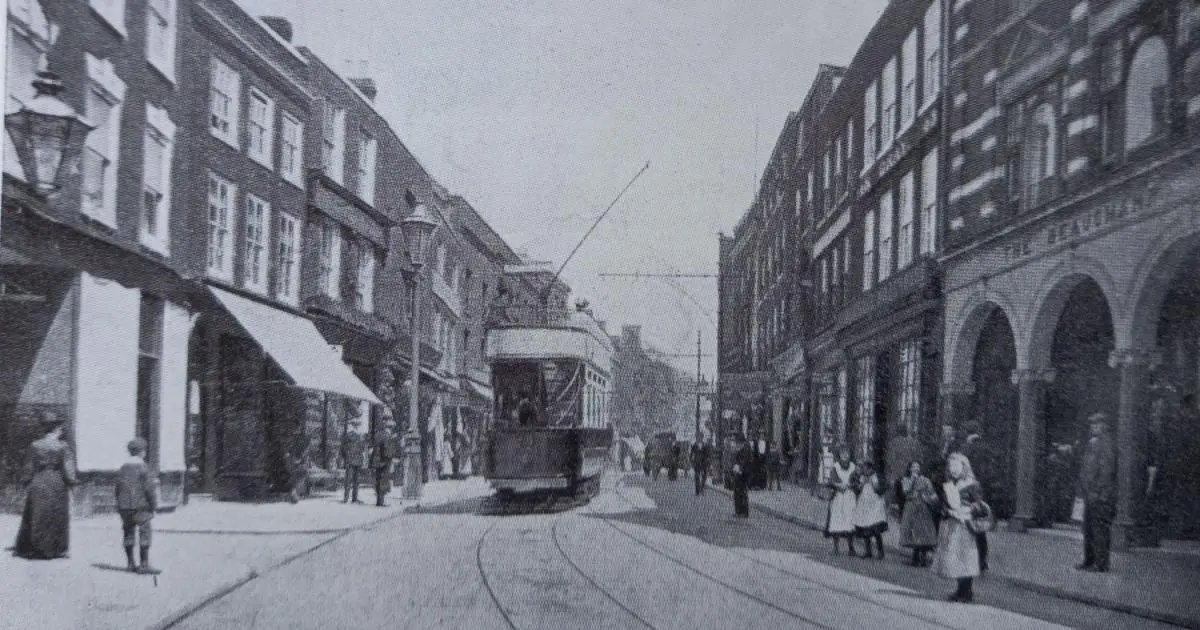

CONSIDERING the image of Worcester has been getting a bit of a kicking recently, via complaints about empty shop premises, litter and general scruffiness, let’s go back a couple of hundred years or so to see whether they stack up.
It could be a case of the old proverb about a prophet not being without honour except in his own hometown because lots of visitors seem to love the place but noise about the city needing a spruce-up is growing.
Of course the argument would be made there were nowhere near as many people about then to drop drinks cans, pizza cartons or spent vapes but the general impression is of a much tidier time.
Although even in the early 1900s it didn’t do to look too far off the beaten track.
In the 1780s Dr Treadway Russell Nash, who was educated at King’s School and became one of Worcestershire’s leading early historians, took a personal look at the cathedral city.
Swiftly moving on from the state of the sewers and gutters and the unhealthy mounds of horse manure, the wealthy clergyman became positively lyrical about “the beauties and advantages of the town, which indeed are many and great.”
Adding: ”The streets are broad, handsome, well built and very well paved with no projecting signs.
“The markets are well supplied with all kinds of provisions and as cheap as any town in England, sea fish only excepted.
“The great concourse of polite strangers that come here to reside from every quarter show the superior excellence of this town and the neighbourhood.”
A cynic might say Nash was only writing about the Worcester he encountered.
I doubt the “great concourse of polite strangers” spent much time visiting the quayside slums of the River Severn or dropping in to the watermen’s drinking houses.
Another slightly warped view of Worcester from around the same period came from Dean Swift at the cathedral. Although this did have its edgier passages.
Swift wrote in a letter to a friend in 1765: “At Worcester I think we have no kind of news, except the elopement of girls, burning of houses on purpose and letters incendiary to burn more, suicide, increases in Popery and wild fanaticisms spouting from brainsick Methodists.
“In all other aspects we comfortably enjoy the passing of hours. In the morning we traverse the fields, destroy game, croquet in the cloisters and slander the inhabitants.
“In the evenings we dance at Assemblies, cheat at whist, abuse Matrons, ruin Damsels and swim in the midst of a delicious Farrago made up of all sects and opinions, both of Religion and Scepticism.”
If all that sounds rather highfalutin, then at the time Worcester was a provincial capital of considerable importance and home to a highly regarded writers’ circle, described by academic Ephraim Chambers as “a bright constellation of men of genius and talent”.
A level I am sure all local journalists have aspired to ever since.
