

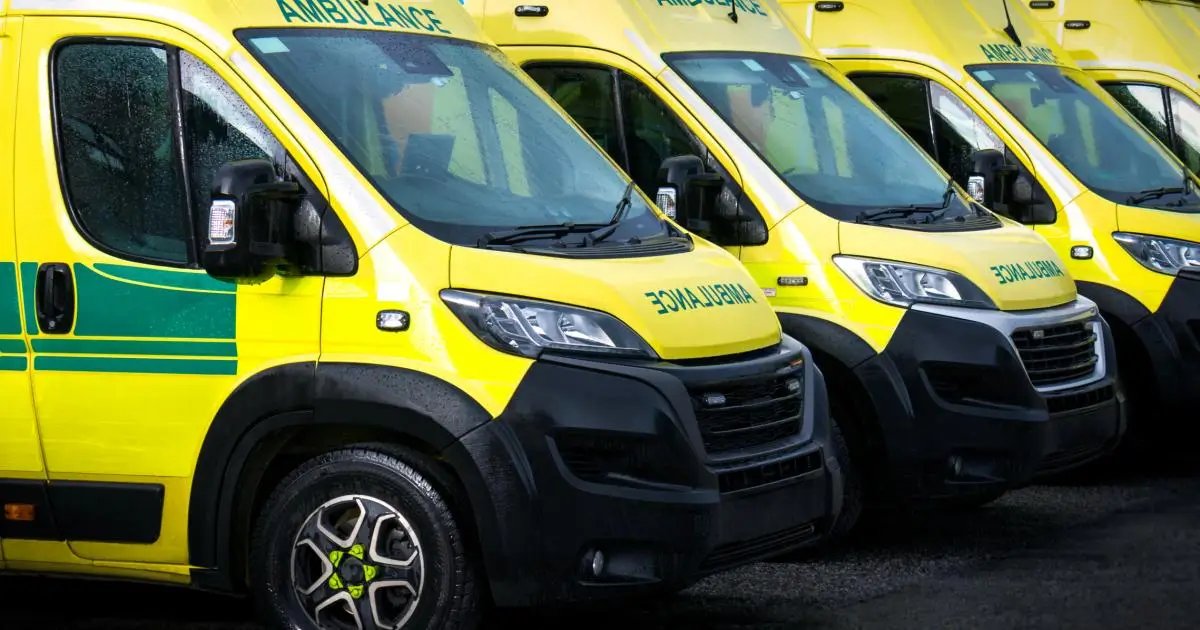

AMBULANCE bosses have seen a large spike in 999 calls during the heatwave with crews receiving close to 6,000 calls in a day, a 32 per cent year-on-year increase.
The ambulance service in Worcestershire has been under increased pressure because of the extreme heat warning issued by the Met Office as temperatures soared to 36C in places.
A red heat alert has been issued by the UK Health Security Agency (UKHSA) on Wednesday and Thursday, which coincides with the steep spike in 999 calls to the West Midlands Ambulance Service.
HEATWAVE: Two people are sunbathing in a park but many remained indoors during the June heatwave where temperature records fell (Image: Gareth Fuller/PA Wire)
The alert warns people of an increased risk to life, particularly for older people, and severe disruption to health and social care services due to extreme temperatures.
Data shows scale of pressures caused by June 2026 heatwave
On June 23, calls to the ambulance service rose by 12.6 per cent from 4,464 in 2025 to 50,28 in 2026 (an additional 564 calls) from the same day last year.
On June 24, there was a rise of 21.1 per cent from 4,513 calls in 2025 to 5,464 in 2026 (an additional 952 calls). However, the largest increase came on Thursday, June 25 when calls went up by 32 per cent from 4,419 in 2025 to 5,832 in 2026 (an additional 1,413 calls).
Ambulance service issues warning over rare red warning for extreme heat
How heatwave and football fever could be huge health own goal for Worcester
Senior doctor urges people to people to follow health advice amid heat illness spike
A WMAS spokesperson said: “While many people enjoy the sunshine, prolonged periods of hot weather can have a serious impact on our health, particularly for older people, young children and those with underlying medical conditions. However, it’s important to remember that heat can affect anyone.
“With the red heat-health alert continuing, we’re urging everyone to take simple steps to stay safe and look out for those who may be more vulnerable. Staying hydrated, keeping cool, avoid being outside during the hottest parts of the day and checking in on family members, friends and neighbours can make a real difference.
“We’ve seen a significant increase in demand for our services during this period of hot weather, so by taking sensible precautions and seeking the right healthcare advice when appropriate, people can help protect themselves while ensuring our crews remain available for those with the most serious and life-threatening emergencies.”
