

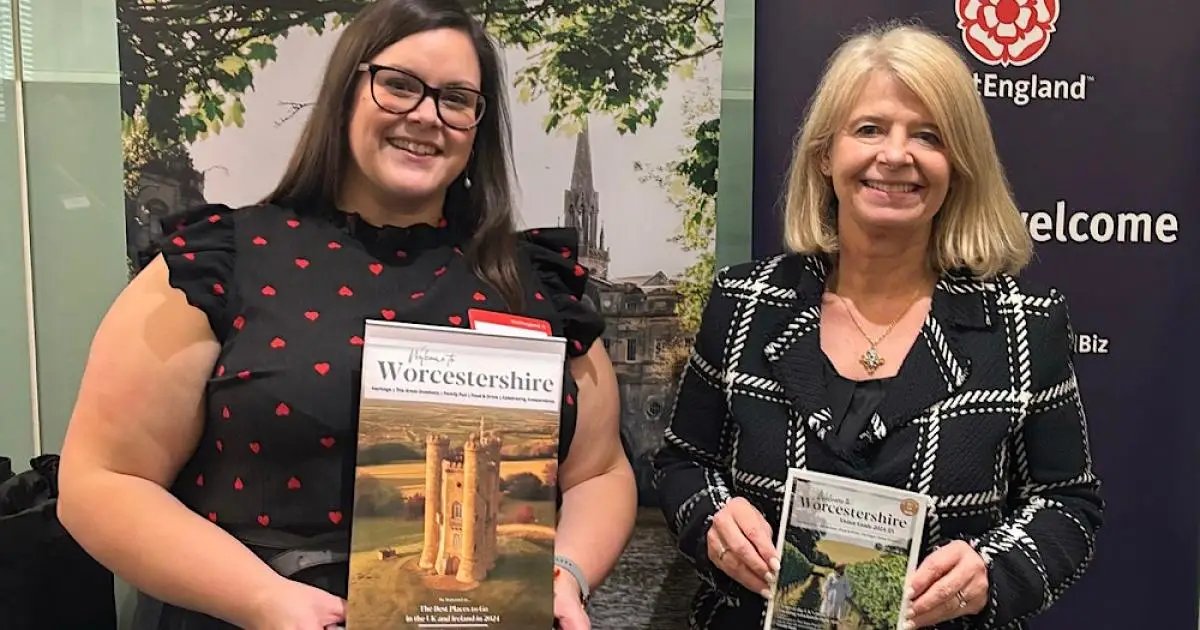

THERE are fears that a possible ‘tourist tax’ could threaten businesses in and around Malvern.
It comes after the UK government said it would give local leaders the power to introduce an overnight visitor levy, which will be charged as a percentage of the cost of accommodation.
While no plans have yet been made to impose the levy in the area, Conservative MP Dame Harriett Baldwin, who represents West Worcestershire, has slammed the decision.
She said the tax, if introduced in Malvern, may put people off visiting attractions in the area, including the Malvern Hills, Malvern Theatres, The Three Counties Showground and the music festivals in Upton upon Severn.
READ NEXT: New parking restrictions coming into force on four roads

“Our local hotels, B&Bs, restaurants and bars are already struggling to make ends meet under Labour’s approach of taxing businesses more and more to pay for benefits,” Dame Harriett said.
“After squeezing hospitality venues and tourist attractions with increased business rates, minimum wage and national insurance, and inheritance tax, Labour has invented a new tax to hit local businesses with.
“The Overnight Visitor Levy has already been imposed in Manchester and now the Prime Minister to wants to extend it across the country.
“The cost will have to be passed on to guests, of whom many will be put off by the price increase.
“With the cost of living already spiralling, my worry is this will drive vital tourism revenue away from our area, cost local jobs, harm growth and kill off the Great British holiday.”
Government defends decision
The Ministry of Housing, Communities and Local Government re-iterated that the introduction of the levy would be in the hands of local leaders, after consultation with businesses.
It defended the move, saying it was part of the government’s plan to “shift power out of Westminster”.
Earlier this month, local government secretary Angela Rayner announced that plans to split Worcestershire into north and south unitary councils were under review.
“Mayors and local leaders have been given this new power as part of a historic devolution drive that shifts power out of Westminster and into local hands,” a government spokesperson said.
“All funds raised from the levy will be invested in the local economy, from high streets to public transport and events that boost tourism and drive good growth – benefitting visitors, businesses and local people.”