


A free energy support scheme is set to continue helping thousands of residents.
Cadent has announced it will extend the Centre for Warmth partnership with Worcester Community Trust, which has already delivered vital cost-of-living support across six sites in the city.
The centres provide safe, welcoming spaces where residents can access practical energy advice and support.
Phil Burrows, head of customer vulnerability and social impact at Cadent, said: “We are so proud of the impact our nationwide Centre for Warmth programme has made to local communities across our network, but we know that this support must continue.
Woman dies at Aldi supermarket in Worcester
‘Do not eat’ warning issued to Tesco shoppers after ‘health risk’ recall
Invasive mosquito that can spread severe diseases found breeding in UK for first time

“As we look ahead to winter, it’s clear that more people will need support.
“If you are struggling, we want to really encourage you to reach out to your local community centre, as help is available.”
Since becoming a Centre for Warmth in 2023, Worcester Community Trust has supported more than 90,000 people.
More than 3,000 pieces of energy efficiency advice have been given, and 421 free carbon monoxide alarms distributed to help keep households safe.
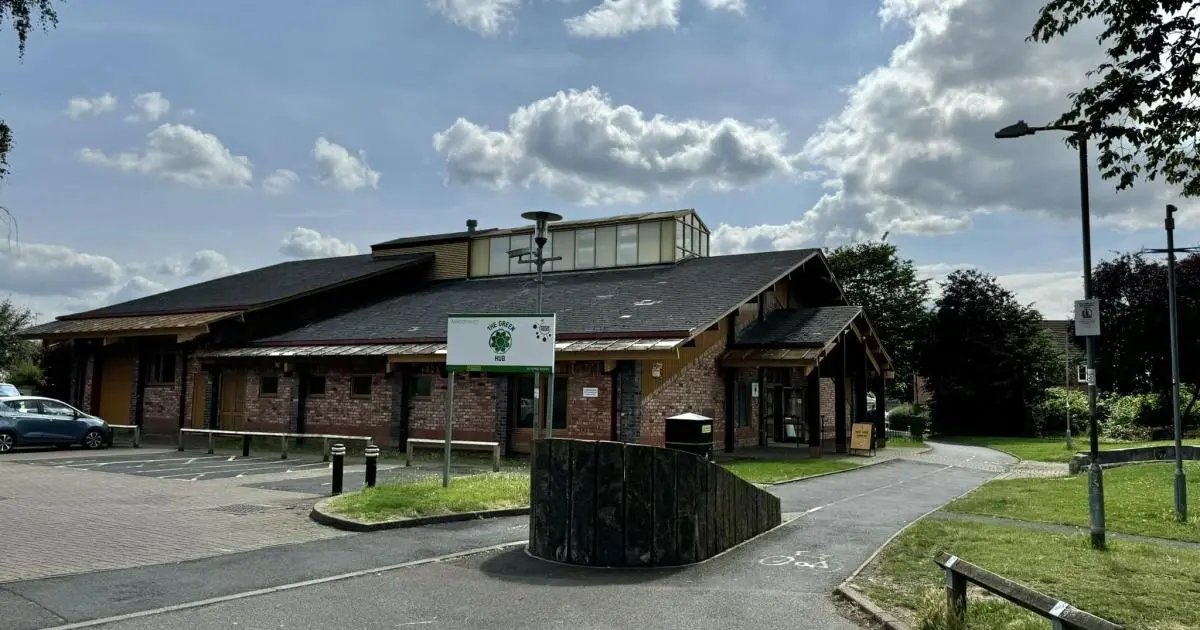
The scheme operates at The KGV Hub, Ronkswood Community Centre, Ronkswood Hub, The Green Hub, The Horizon Hub and Warndon Hub.
Cadent launched the Centre for Warmth programme six years ago to support vulnerable households with specialist energy efficiency and carbon monoxide safety advice.
The scheme is funded through Ofgem’s Vulnerability and Carbon Monoxide Initiative (VCMI).
It also offers benefits checks and income advice to residents.
Nationally, Cadent recorded a rise of 40,000 additional users at its Centres for Warmth last year.
The extended partnership will ensure more residents in Worcester can continue to access vital help.
Cadent is the UK’s largest gas distribution network, ensuring gas reaches 11 million homes from Cumbria to North London and the Welsh borders to East Anglia.
The organisation is also involved in supporting the national transition to hydrogen as a low-carbon alternative to natural gas.