

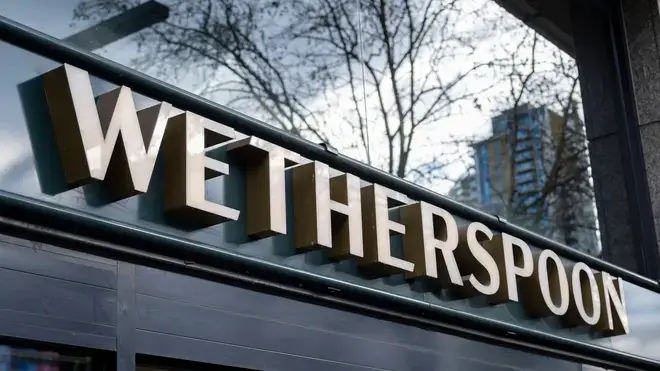

A rise of 30% in every pub's energy bill would see the sector paying £169 million a year more in energy alone, according to figures.
Share
The boss of JD Wetherspoon is warning that prices may rise, as pubs face an £170m energy bill surge as war rages in the Middle East.
Sir Tim Martin, who chairs the 800-pub chain, said surging oil prices would “soon end up in the price of a pint or a meal in a pub”.
According to reports, the spike in energy prices over the escalating conflict will see nearly £170 million a year added onto pubs running costs.
Last weekend, oil prices jumped from their average $73 a barrel to over $100, causing concern over a potential global energy crisis.

The news comes at a difficult period for the industry, with the sector already struggling with high taxes and red tape.
“Rising energy costs are bad news for pubs," said Sir Tim.
"As well as direct increases for gas and electricity, they make customers poorer and also push up the costs for suppliers.
"Energy costs soon end up in the price of a pint or a meal in a pub, which is not what customers want to hear, especially in the current economic environment.”
Just last week, business groups warned the Energy Secretary Ed Miliband that one in three businesses are set to renegotiate their energy contracts in April, leaving them in a scramble to secure deals as prices become increasingly precarious.
Businesses, unlike homes, are not protected by energy regulator Ofgem’s price cap, which leaves them exposed to changes in wholesale costs.
A typical pub’s energy bill can vary between £650 a month to a significant £6,000, depending on the size of the venue and additional facilities, says business comparison site EnergyCosts.
Based on analysis of Nomis days, a rise of 30% in every pub's energy bill would see the sector paying £169 million a year more in energy alone.
The British Beer and Pub Association said: “We are in close contact with members to understand the impact any price changes or supply chain disruption could have on their operations.”