


THE World Cup is more than just a football tournament.
Across Worcestershire, pubs fill up, living rooms become mini-stadiums and conversations revolve around team selections, refereeing decisions and whether football might finally be coming home.
For a few weeks the nation seems to move in unison.
But while most of us focus on what happens on the pitch there is another question worth asking — what does supporting England actually do to our bodies?
The answer is rather more than you might think.
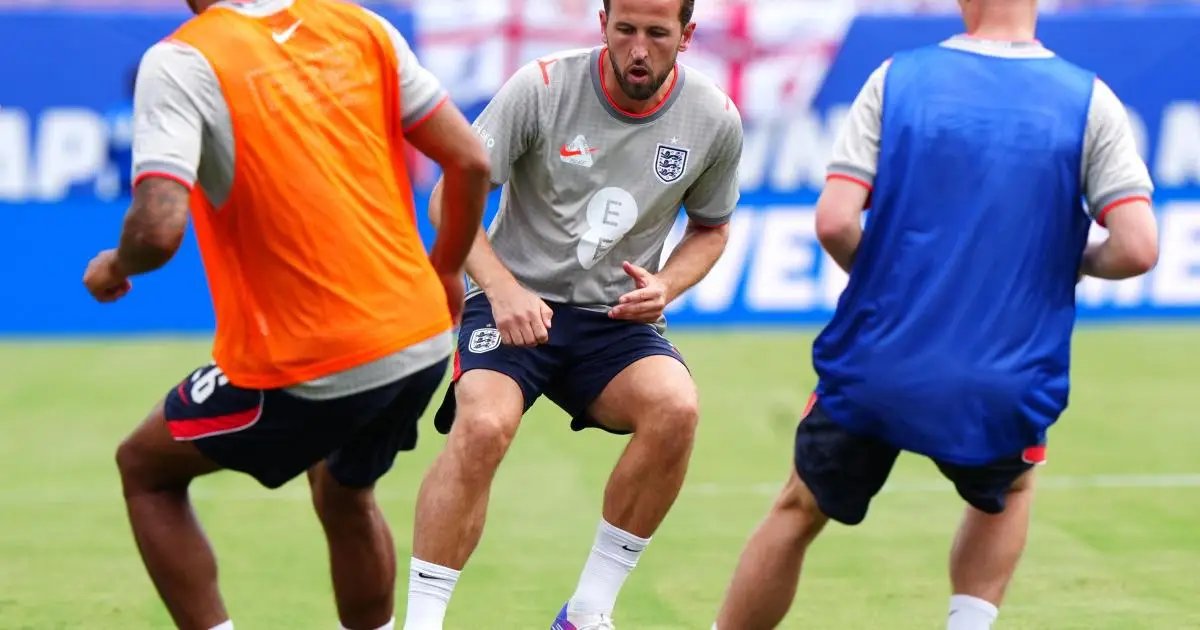
Forward Harry Kane is a key man for England’s World Cup hopes with Dr Jason Seewoodhary taking a look at the tournament’s positive and negative impacts on our health (Image: Bradley Collyer/PA Wire)
More: New private GP surgery opens in city centre offering same-day appointments
There is some good news.
One of the greatest health benefits of major sporting tournaments is the sense of community cohesion and spirit they create.
Whether you are watching with friends, family, neighbours or colleagues, football brings people together.
That matters because social connection is one of the most powerful influences on health. Research has shown loneliness can be as damaging as smoking 15 cigarettes a day.
Sharing the emotional highs and lows of a tournament can genuinely improve wellbeing.
Football can also be an effective stress reliever.
The excitement of a match triggers the release of endorphins and dopamine — the body’s natural feel-good chemicals.
Even shouting at the television, much to the annoyance of those around us, can provide a surprisingly cathartic outlet.
And there is often more movement involved than people realise.
Walking to the pub, heading into town to watch a game or simply pacing around the room during a penalty shoot-out all contribute to physical activity.
During major tournaments average activity levels across the UK tend to rise.
When England win the benefits can extend beyond individual supporters.
Following England’s run to the semi-finals in 2018, researchers noted measurable improvements in national wellbeing.
Victories really can lift the country’s mood.
However, there is another side to the story.
Supporting England can be surprisingly demanding on the body.
One of the biggest concerns is cardiovascular strain.
Studies published in the British Medical Journal have found increases in heart attack rates during high-stakes matches involving national teams.
The combination of adrenaline, stress hormones and emotional tension can place extra pressure on the heart, particularly in people with underlying cardiovascular disease.
Alcohol is another issue.
Major tournaments are often accompanied by increased drinking which brings its own health risks and a surge in domestic violence-related incidents, especially when England lose.
Hospitals typically see higher numbers of alcohol-related attendances while excessive drinking contributes to long-term problems affecting the liver, heart and overall health.
Sleep can also suffer.
Evening kick-offs, post-match excitement and endless discussions on social media make it harder to switch off.
Poor sleep affects mood, concentration, immunity and energy levels.
Then there is the food.
Matchday often becomes an excuse for takeaways, burgers, pizzas and crisps.
A few indulgences are part of the fun but over a month-long tournament those extra calories soon add up.
Perhaps the most overlooked impact is psychological.
England supporters live with a unique combination of hope, history and heartbreak.
Decades of expectation mean that results can feel intensely personal.
When England lose disappointment is natural.
But for some people the emotional investment can trigger anxiety, irritability or low mood.
This is not weakness. It is biology.
Human beings are wired for belonging.
Supporting a team gives us a sense of identity and connection.
The Three Lions have become one of our modern tribes and our brains respond accordingly.
So how can you enjoy the World Cup without paying the price?
Try alternating alcoholic drinks with water.
Walk to watch games where possible.
Stand up and stretch during half-time.
If you have heart disease or high blood pressure then be mindful of heavy drinking and excessive emotional stress.
Make healthier snack choices where you can and try to maintain a sensible sleep routine after evening matches.
Most importantly, remember that football should add to your life, not dominate it.
Support England passionately, celebrate the victories and mourn the defeats if you must but do not allow the result to determine your wellbeing.
The World Cup can be good for your health. The sense of belonging, joy and shared experience is something genuinely valuable.
Just remember that the stress, alcohol and emotional rollercoaster can sometimes affect your body more than you realise.
Enjoy the tournament, savour the highs, accept the lows and look after yourself along the way.
Our columnist Dr Jason Seewoodhary is a former Worcestershire GP.
