
YouGov poll finds one in five feel uncomfortable talking to male healthcare workers about menopause
Share
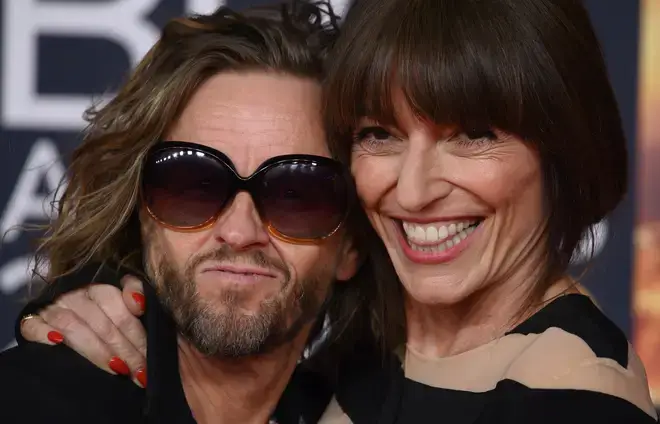
The stigma around mental health issues caused by the menopause is stopping women from approaching their doctors, employers, and friends and family for support, according to TV presenter Davina McCall.
The 58-year-old has backed a Royal College of Psychiatrists (RCPsych) call for action to improve the understanding of the link between menopause and mental health across society.
Menopause happens when periods stop because of lower hormone levels, and usually takes place between the ages of 45 and 55.
The transitional phase, known as perimenopause, can last for years before a woman’s final period, causing symptoms such as hot flushes.

However, these hormonal changes can also impact mental health, causing anxiety, depression, forgetfulness and irritability.
McCall, who is an RCPsych honorary fellow, said: “Some women sail through the menopause unscathed.
"But some don’t, and the impact on their mental health can be devastating and have a huge impact on their lives and their relationships.
"Lack of knowledge and ingrained stigma still prevent open conversations between doctors and patients, in the workplace and among friends and family, leaving women without the crucial support they need at an incredibly vulnerable time in their lives.
"And it’s just not acceptable.
"Why are women still fighting to be heard?
"Together, we must make the link between mental health and menopause known across society, among health professionals, NHS, government, members of the public and employers, to improve the policies, care and support provided for all women experiencing menopause.”
RCPsych has published a new position statement on menopause and mental health, calling for improved policies in the healthcare system and workplaces which are designed by women who have experienced problems.
Dr Lade Smith, RCPsych president, said: “Menopause can have a significant yet often overlooked impact on women’s mental health and wellbeing.
"Women account for 51 per cent of the population, and all will experience menopause at some point.
"This is a societal issue for everyone. Simply put, we must do better.
"This position statement sets out urgent action that must be taken across society to improve understanding and awareness of the relationship between menopause and mental health – in healthcare settings, in workplaces and in everyday life.”
It comes as a poll of more than 2,000 UK adults, conducted by YouGov for the college, found around one in five (22 per cent) would feel uncomfortable talking to a male healthcare worker about menopause, compared to 9 per cent who said they would feel uncomfortable talking to a female professional.
Just 28 per cent of women surveyed said they would feel comfortable talking to a male boss and almost half (43 per cent) said they would feel uncomfortable speaking to a close male family member.
Around one in four (28 per cent) women said they think a new mental illness can be linked to menopause, according to the poll, compared to 93 per cent who associated menopause with hot flushes.
Dr Smith added: “Now is the time to listen to women’s experiences, ensure that support for women going through menopause is personalised to each individual, and women are empowered to make informed choices.”