
Share
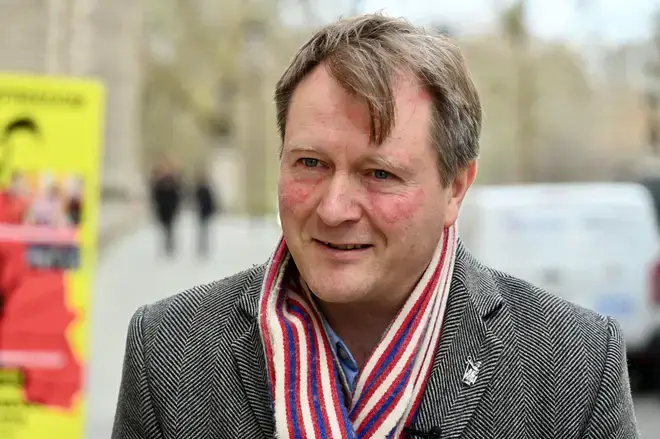
Iranians, like the family of Nazanin Zaghari-Ratcliffe, feel they were "missold" the conflict in Iran, the former political prisoner's husband has told LBC, warning there is now "less hope" as the regime’s crackdown continues.
Richard Ratcliffe, who led the high-profile campaign to free his wife after she was jailed in Iran on false espionage charges, said early optimism had faded as the conflict dragged on.
Reflecting on the worsening situation, he told LBC: “I think looking at it, there’s probably a more optimistic view at the beginning, and as the war’s gone on and the way it’s been prosecuted and the sort of callousness of disregard for human life at points we’ve seen from different, other leaderships, that there’s probably less hope.
“And it’s felt more and more like it was missold.”
Donald Trump ordered the bombing as part of a US military response to what Washington said were escalating Iran-linked threats in the region, arguing the strikes were needed to protect American interests and deter further attacks.
Trump had also repeatedly backed anti-regime protesters in Iran, condemning the authorities’ human rights abuses. Back in January, he posted on social media platform Truth Social: "I have cancelled all meetings with Iranian Officials until the senseless killing of protesters STOPS. HELP IS ON ITS WAY".
Mrs Zaghari-Ratcliffe was arrested in 2016 while visiting family in Iran with her young daughter, Gabriella, and was later jailed on false espionage charges.
Her detention became one of the most high-profile cases involving a British-Iranian dual national, with Mr Ratcliffe staging a long-running campaign to raise awareness of her case and increase pressure on the UK government to secure her release.
Speaking about the situation facing families in Iran now, Mr Ratcliffe said demonstrators had been “very mercilessly treated”, with many people still behind bars and others unaccounted for.
He said: “People rose up and there were demonstrations and they were very mercilessly treated. And lots of people are now locked up in prison cells. Some families are still trying to find where their relatives are.
“And there was a huge panic throughout January and February as to where people were. And that fear hasn’t gone away. And the regime is the same regime. We had some exposure as a family to it, and people will be going through worse.”
Mr Ratcliffe also said the lasting impact of imprisonment should not be underestimated, adding that rebuilding life afterwards takes time.
“I think everyone coming out of prison, it takes time to catch up with normality, to find that it’s a new normal and to put the pieces back together,” he said.
Mrs Zaghari-Ratcliffe was released and returned to the UK in 2022. Her arrest and imprisonment had been linked to a long-running British debt owed to Iran over a cancelled tank deal dating back to 1979.