


A new set of stamps honouring the service of the nation’s armed forces has been revealed.
Royal Mail will release six stamps on Armistice Day, November 11, marking 110 years since the Battle of the Somme, which began on July 1, 1916, and became one of the defining battles of the First World War.
The stamps feature specially commissioned artworks by British artist Matthew Cook, who has served as a reservist in the Parachute Regiment and The Rifles and was deployed to Iraq and Afghanistan.
David Gold of Royal Mail, said: “Remembrance holds a profound place in our national life.
“Through these stamps, we pay tribute to the service and sacrifice of those who have served our country through two world wars and many other conflicts.

Six new stamps have been released. (Image: Royal Mail/Press Association)
“Matthew Cook’s poignant artworks provide a fitting and powerful way to reflect on the sacrifices made by so many courageous men and women across the generations.”
Cook said: “Remembrance has a very special place in my life, having served as a reservist in the Parachute Regiment and The Rifles and been deployed to Iraq and Afghanistan.
“I was delighted to be asked to illustrate these stamps and to take on the challenge of such a sensitive and significant subject.
“It is always a privilege to illustrate stamps for Royal Mail, and this project felt particularly special.”
What rules does Royal Mail have for sending parcels or letters?
If stamps are placed in the wrong place, it could mean the parcel or letter will be delayed because Royal Mail’s sorting machines are programmed to scan that specific area.
The automatic machines might also mark the item as having no postage paid, which could mean the person receiving the item will have to pay a fee for it.
The recipient can visit the sorting office and look at the envelope but if they do not know who the parcel is from or do not want to pay the fee, the item will be kept for 18 days before it is returned to the sender or destroyed.
There are a few other rules that Royal Mail says people should follow to avoid any delays or fees for their items.
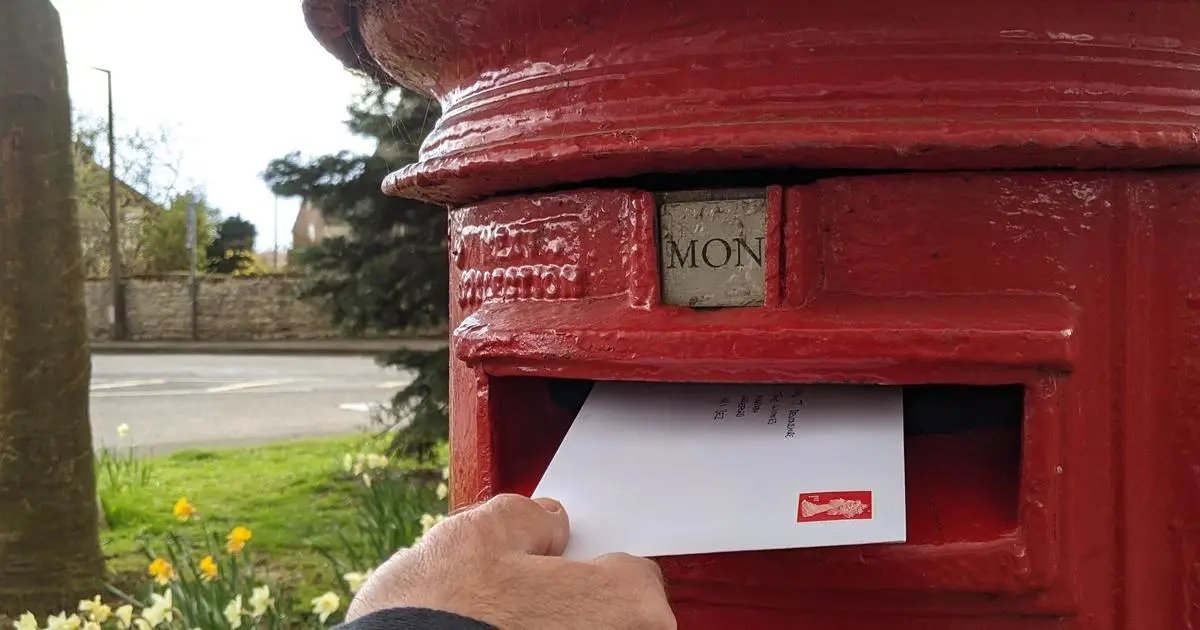
The stamp should also be placed completely flat and visible with the Queen or King’s head facing the right way up.
The area around the stamp must also be kept clear, as Royal Mail uses the space for tracking codes and digital postmarks.
Writing over the stamp will make it difficult for Royal Mail machines to read the tracking code.
Royal Mail says: “The days of licking stamps are over.
“Just peel your stamp and stick it in the top right-hand corner of your letter.
“You’ll need your stamp to be clearly visible, not bent over an edge and on the same face of your parcel as the address.
“Many stamps contain barcodes to assist in tracking, so it’s important that the stamp is flat and easy to scan.”