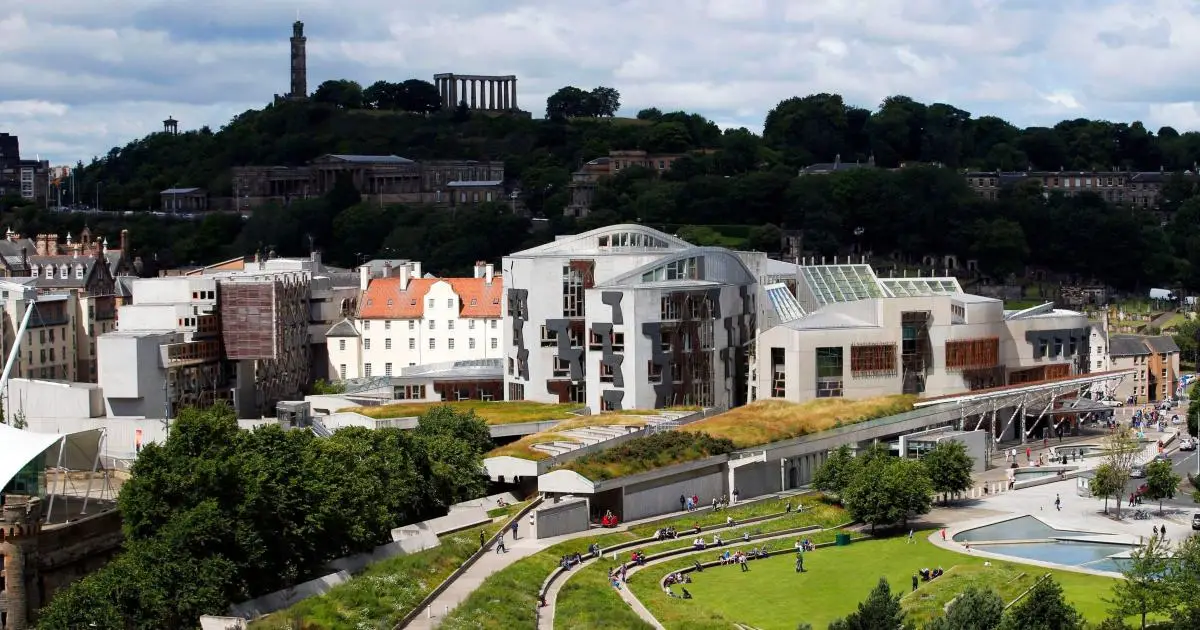

With a week to go until Scots elect their next government, parties are stepping up their efforts to woo voters across the country.
All the party manifestos have been launched, and leaders of the six main parties – the SNP, Labour, Conservatives, Scottish Greens, Liberal Democrats and Reform UK – have clashed in TV debates.
With seven days to go until polling day on May 7, the focus for leaders is on ensuring their message gets across to voters – a move which could be vital with a poll earlier in April showing just over two fifths (42%) of voters could change their minds about who to back.
Ipsos Scotland’s Emily Gray said that the proportion of voters who could switch allegiances was “higher than we would typically see at this point in an election campaign”.
But with Ms Gray noting that “the public are much more disenchanted with all the political leaders in Scotland than they were five years ago”, turnout could be low come May 7.
That could be key as all parties across Scotland seek to increase their representation at Holyrood.
The SNP, now under the leadership of John Swinney, are looking for a record-breaking fifth consecutive Scottish election win next week.
While the party has been in power since 2007, all the polls point to the SNP again being the largest party once all the votes are counted – but the key question will be whether they can secure the overall majority that Mr Swinney craves, with the First Minister believing this will be key in securing a second vote on Scottish independence.
However, while the SNP have won the last four Holyrood elections, that overall majority is only something the party has achieved once, in 2011, under Alex Salmond.
Scottish Labour, under the leadership of Anas Sarwar, is meanwhile aiming to oust the SNP from power – but Mr Sarwar’s chances of achieving this appear to have been hindered by Sir Keir Starmer and his Labour Government at Westminster.
While the 2024 general election was a success for Scottish Labour – who won more seats than any of the other parties north of the border – Sir Keir has proved to be an unpopular leader, with Mr Sarwar even calling for him to quit as Prime Minister back in February over “mistakes” in office.
The Scottish Tories meanwhile could be facing what the pollsters have described as “historic losses” next week.
While the party returned 31 MSPs in both 2016 and 2021, making it the main opposition to the SNP, one poll has indicated Russell Findlay’s party could be reduced to just seven MSPs this time round.
Mr Findlay, however, is hoping the Tories can, once again, galvanise opposition to the SNP’s plans for another independence referendum to persuade pro-UK supporters to back his party.
But they could lose votes to Nigel Farage’s Reform UK – who are standing candidates across Scotland, and hoping to return both constituency MSPs and representatives on the regional list vote.
Polls have indicated that Nigel Farage’s party – led in Scotland by former Conservative minister Lord Malcolm Offord – could potentially come in second place, making them the main opposition in Holyrood.
Meanwhile, both the Liberal Democrats and the Scottish Greens are also hoping they can make gains next week.
The Greens want to return at least one MSP from each of the eight regions in Scotland – something they have never achieved before.
The party is also hoping to win a constituency seat in the Scottish Parliament for the first time ever – with Edinburgh Central, where SNP Culture Secretary Angus Robertson is standing, and Glasgow Southside, which was previously held by former SNP leader Nicola Sturgeon, two of the constituencies where the Greens hope to make a breakthrough.
The Liberal Democrats, who elected four MSPs last time round, say they could win 10 constituency seats next week, with leader Alex Cole-Hamilton also heavily targeting votes on the regional, peach-coloured ballot paper.
Like the Scottish Greens, the Lib Dems are hoping to return at least one MSP from each of the eight regions that make up part of Holyrood’s additional member system.