


Inflation on non-food items rose to 0.1% against a drop of 0.1% in February.
Shop price inflation edged up in March as higher costs resulting from the Middle East conflict started to feed into supply chains, figures show.
Shop prices overall were 1.2% higher than a year ago, up from 1.1% in February but still below the three-month average of 1.3%, according to data from the British Retail Consortium (BRC) and NIQ.
The BRC warned that “storm clouds loom” despite “subdued” inflation and noted the headline figure rose even as food inflation eased from 3.5% to 3.4% due to dairy prices falling with lower wholesale milk costs.
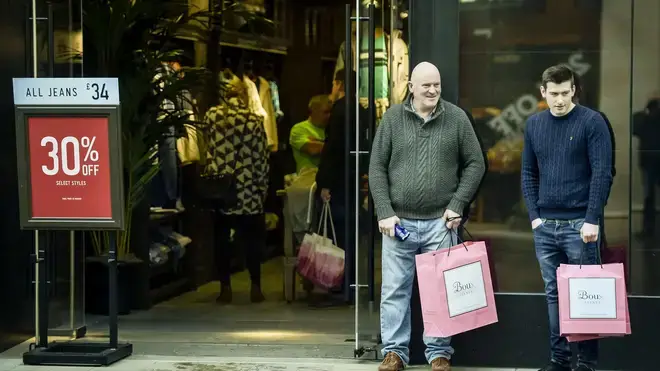
Inflation on non-food items rose to 0.1% against a drop of 0.1% in February despite retailers offering promotions on alcohol, TVs and sound systems in the run-up to the final round of the Six Nations, as well as on clothing and footwear to entice consumers to spend.

BRC chief executive Helen Dickinson said: “Higher costs resulting from the conflict in the Middle East are starting to feed into supply chains.
“While retailers will work with their suppliers to mitigate the impact on prices as far as possible, inflation will rise, although there are no indications it will reach the peaks of the last spike in April 2023.
“Government needs to look at all the costs that could exacerbate these price rises, from new healthy food rules to trade changes with Europe, the Employment Rights Act and non-commodity charges which make up such a large proportion of energy bills. Ignoring businesses’ concerns risks even higher prices for shoppers.”
Mike Watkins, head of retailer and business insight at NIQ, said: “Whilst it’s good news that food inflation slowed in recent weeks, shoppers are increasingly conscious of the amount of money they are spending at the checkout and non-food retailers will be hoping for a good Easter to drive sales.
“However, if price rises come through the supply chain over the next few months, this has the potential to take the edge off retail growth.”