


Share
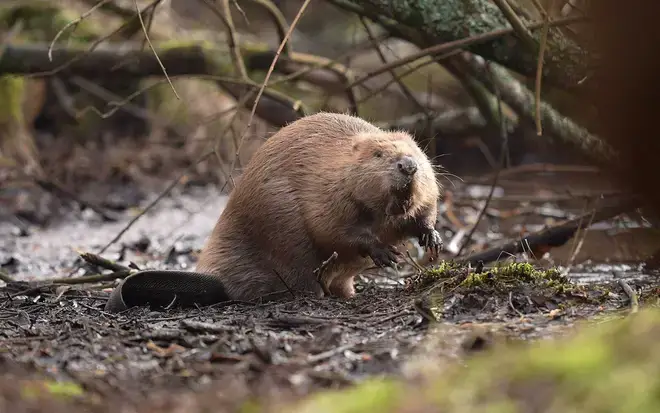
A pair of beavers have dramatically reshaped their landscape a year after their release into the wild, turning a once dense woodland into a rich and thriving wetland.
The beavers are one of two pairs the National Trust released into Little Sea lake in Studland, Dorset, in March 2025 under the first licence of its kind granted by Natural England.
The trust recently added to its wild release beaver numbers with a successful reintroduction of several animals on the Holnicote Estate in Exmoor after being granted a further licence.
Hunted to extinction on mainland Britain in the 16th century, wild beavers are now poised to play a crucial role in restoring ecosystems.
The pair have now settled, building a 35-metre dam where the ecological impacts, and benefits, of their activity are already becoming clear.
The dam has slowed the flow of a small stream, creating a deep and extensive pond.
Their coppicing of trees has opened up the canopy, allowing light to flood in and creating an ideal habitat for plants, insects, amphibians, birds and bats.
The trail cameras have already picked up an otter fishing in the pond, as well as a barn owl hunting there, and volunteers have spotted birds like redpoll and water rail.
Gen Crisford, the National Trust's wetlands project officer, said: "The effect on the ecosystem in a relatively short time is astonishing.
"From dense tangled woodland, the beavers have created a light and airy wetland teeming with life above and below the water.
"We can't wait to see what wildlife appears this spring and summer – from dragonflies, diving beetles and butterflies to frogs and newts – and of course, all the animals that feed off them.
"It's important to remember that the trees the beavers fell don't die – they quickly sprout new shoots. In fact, regular coppicing like this is essential for keeping the woodland healthy.
"Not only have the beavers breathed new life into the landscape, but there are also indications that by slowing the flow of the stream, they are helping prevent the nearby road from flooding in heavy rain."
Trail cameras have recently captured footage of the beavers mating, indicating there could be kits this summer.
Ms Crisford added: "It's very rare to capture footage of beavers mating, so it has generated lots of interest.
"But the important thing for us was that it's a clear sign they've settled well into their new home.
"Our monitoring programme, using dedicated volunteers and trail cameras, keeps us informed about the health and wellbeing of the beavers."
The beavers joined another pair on the lake which had arrived there by unknown means prior to the Government licence being granted.
That pair have successfully raised three kits and constructed two large lodges, one each side of the 33-hectare lake.
Beavers' instinctive dam-building plays an important role in climate resilience.
By slowing water flow and creating wetlands, beavers help retain water during both floods and droughts, benefiting nature and local communities.
Their natural dams also filter out sediment, improving water quality downstream.
The next planned wild beaver release on the Purbeck Heaths National Nature Reserve is expected to take place this autumn, although the exact location has yet to be confirmed.