

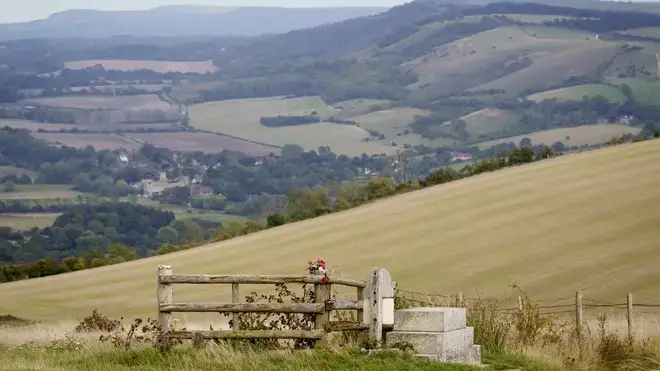

A diversity drive has been initiated by the Department for Environment, Food & Rural Affairs (Defra) in some of the country's best-known beauty spots
Share
Government officials are looking to attract ethnic minorities to live in the British countryside after a report found it was "too white" and "middle-class".
A diversity drive has been initiated by the Department for Environment, Food & Rural Affairs (Defra) in some of the country's best-known beauty spots after a review found many of them risked becoming 'irrelevant' in a multicultural society.
A series of proposals has been laid out by National Landscapes to change these "very much white environments" such as the Cotswolds and Chilterns.
The Chiltern National Landscape will launch an outreach programme in Luton and High Wycombe targeted at Muslims, after the report found ethnic minorities visiting the area were "anxious over unleashed dogs".

Meanwhile, officials in the Cotswolds said they were dedicated to changing its provision in an attempt to reach "the widest demographic".
In its own management plan, the Malvern Hills National Landscape said: "Many minority peoples have no connection to nature in the UK because their parents and their grandparents did not feel safe enough to take them or had other survival preoccupations. This breaks down the oral traditions for learning.
"While most white English users value the solitude and contemplative activities which the countryside affords, the tendency for ethnic minority people is to prefer social company (family, friends, schools)."
Nidderdale National Landscape in North Yorkshire had "concerns" about how ethnic minority communities would "be received when visiting an unfamiliar place" in the countryside.
Surrey Hills management found that "some demographics are still under-represented in our countryside".
The 2019 Defra-commissioned report on the countryside, overseen by author Julian Glover, stated: "We are all paying for national landscapes through our taxes, and yet sometimes on our visits it has felt as if National Parks are an exclusive, mainly white, mainly middle‑class club.
"Many communities in modern Britain feel that these landscapes hold no relevance for them. The countryside is seen by both black, Asian and minority ethnic groups and white people as very much a "white" environment.
"If that is true today, then the divide is only going to widen as society changes. Our countryside will end up being irrelevant to the country that actually exists."
After it was published, the Conservative government at the time said it would "expand community engagement, including with reference to increasing the ethnic and socioeconomic diversity of visitors".
Defra went on to produce a second report in 2022, titled "Improving the ethnic diversity of visitors to England's protected landscapes".
It found ethnic minorities associate visiting countryside landscapes with "white culture" and see "the English countryside as a white space, to which they did not belong".
Another concern raised was that rural facilities mainly "cater to white English culture".
It said: "Protected landscapes were closely associated with 'traditional' pubs, which have limited food options and cater to people who have a drinking culture.
"Accordingly, Muslims from the Pakistani and Bangladeshi group said this contributed to a feeling of being unwelcome."
The Labour Government revealed its own targets for access to the countryside in 2025.
A Defra spokesman said at the time: "We will work with Government, public bodies, businesses, civil society and communities to support people engaging with nature in their own ways and encourage them to do this safely and appropriately through continued promotion of the countryside code.
"We want to equip communities with the resources, knowledge and skills so they can respond to societal and environmental issues in their neighbourhoods."